
Psilocybin
Introduction
Psilocybin is a topic gaining real attention. Many people ask what it is and why research matters. This guide explains psilocybin in plain words. I use short sentences and clear examples. You will learn about effects, therapy, and safety. I will also cover clinical trials, microdosing research, and the 2025 legal landscape. I draw on high-quality research and public sources. My aim is to inform, not instruct on use. The article is friendly, careful, and evidence-focused. Read on to get a balanced view that helps you think clearly about psilocybin and its future.
What is psilocybin?
Psilocybin is a natural compound found in some mushrooms. Scientists call those mushrooms “psilocybin mushrooms.” Inside the body, psilocybin converts to psilocin. Psilocin affects brain receptors linked to mood and perception. Scientists study psilocybin to learn how it changes thought and feeling. It is not an ordinary medicine yet. In many countries, psilocybin is still a controlled substance. Researchers and clinicians study it carefully in clinics and trials. The goal is to see if psilocybin can help with certain mental health problems while keeping people safe.
Psilocybin effects — what science shows
Psilocybin produces changes in perception and thought. Users often report altered sensory experiences and shifts in self-awareness. Short-term effects can include vivid images, altered time sense, and strong emotions. Scientific imaging shows that psilocybin can disrupt usual brain networks. These changes may open new ways of thinking and feeling. Importantly, effects vary by dose, context, and individual. In clinical settings, controlled dosing and support aim to make experiences safe and therapeutic. Studies also show that brain changes after a dose can last days to weeks. This ongoing change may relate to therapeutic benefits seen in trials.
How researchers study psilocybin safely
Research teams use strict rules when testing psilocybin. Volunteers are screened for health and mental history. Doses are given in clinics under trained supervision. Sessions include preparation and follow-up therapy. Researchers use brain scans, questionnaires, and long-term checkups. These steps help measure benefit and spot risks. Funding often comes from universities and research institutes. Ethical review boards approve trials before they start. This careful approach helps produce reliable findings about how psilocybin works and who may benefit. It also reduces the chance of harm during studies.
Psilocybin therapy — what it involves
Psilocybin therapy pairs a dose with guided psychotherapy. Before any session, therapists prepare the person. During the session, trained staff stay with the person. After the session, therapists help process the experience. Trials use this model to treat conditions like depression and PTSD. The therapy aims to use the psilocybin experience to shift thoughts and behavior. Early results show promise for some patients. But therapy is not a simple pill fix. It is a multi-step process that includes careful screening, dosing, and follow-up care.
Psilocybin for depression research — progress and promise

Researchers have studied psilocybin for treatment-resistant depression. Some trials show meaningful improvement in mood and function. These improvements sometimes appear after one or two supervised sessions. Scientists measure symptoms before and after therapy over months. Some companies and institutes report strong results, but more large trials are needed. The FDA has given breakthrough designations to certain psilocybin-related programs. This status helps speed development while keeping safety checks. Overall, evidence is promising but not yet definitive for routine care.
Psilocybin clinical trials — what to look for
Clinical trials test safety and benefits for specific conditions. Trials vary in size, design, and goals. Some focus on major depressive disorder. Others test anxiety, PTSD, or chronic pain. Good trials include control groups, clear outcome measures, and long follow-up. Clinical trial registers list ongoing studies and eligibility. If you read trial summaries, look for oversight by universities or reputable hospitals. Trials led by established centers tend to have stronger methods. This helps ensure results are reliable and useful for future care.
Psilocybin side effects and risks
Psilocybin can cause strong emotional and sensory effects. Short-term risks include confusion, anxiety, and nausea. Some people may have frightening experiences without support. Rarely, people can have prolonged mood changes or psychosis if at risk. That is why researchers screen participants carefully. Physical side effects are usually mild. Still, psilocybin is not safe for everyone. People with a personal or family history of psychosis are often excluded from trials. Clinical settings help reduce risk by offering preparation and support before and after doses.
Psilocybin microdosing research — current evidence
Microdosing means taking very small doses repeatedly. Some people try microdosing to boost mood or creativity. Scientific evidence for benefits is mixed. Many early studies show small or unclear effects after careful testing. Placebo-controlled trials are under way. Researchers also watch for long-term effects or subtle harms. At present, microdosing remains an area of active study rather than proven therapy. If you read reports online, remember that anecdotes differ from rigorous trial results. Scientists keep testing to learn whether microdosing works and is safe.
Psilocybin neuroscience — how it may change the brain
Neuroscience studies show that psilocybin alters brain connectivity and plasticity. Imaging finds that psilocybin can reduce activity in certain networks tied to the sense of self. Other studies show increased flexibility among brain regions. These shifts may help people break rigid negative thought patterns. Animal and cell studies also suggest psilocybin can promote neural growth and new connections. This neuroplasticity may be part of why therapy produces lasting changes in mood for some patients. Ongoing research seeks to link brain changes to clinical outcomes.
Legal landscape in 2025 — what has changed
By 2025, legal progress is uneven across places. Some states and cities have decriminalized or regulated psilocybin for therapy. Oregon and Colorado moved toward state-regulated therapeutic programs. Other areas have local decriminalization measures. At the same time, psilocybin remains illegal at the federal level in the United States. This mix means access depends heavily on location and local law. Policy developments in 2025 continue to evolve. Staying informed through official state sources helps people understand current rules near them.
Psilocybin legalization 2025 — key trends to watch
In 2025, several trends shape policy. First, more medical programs are moving from pilot to operational stages. Second, regulators focus on training and safety standards for therapists. Third, new research results influence lawmakers and the public. Finally, federal policy discussions continue, including clinical pathways and scheduling debates. These trends may lead to clearer legal pathways for therapeutic use in some places. However, national legal change may take longer due to federal scheduling and international treaties. Watching both research and policy updates will show how quickly change moves.
How clinicians and patients can approach psilocybin safely
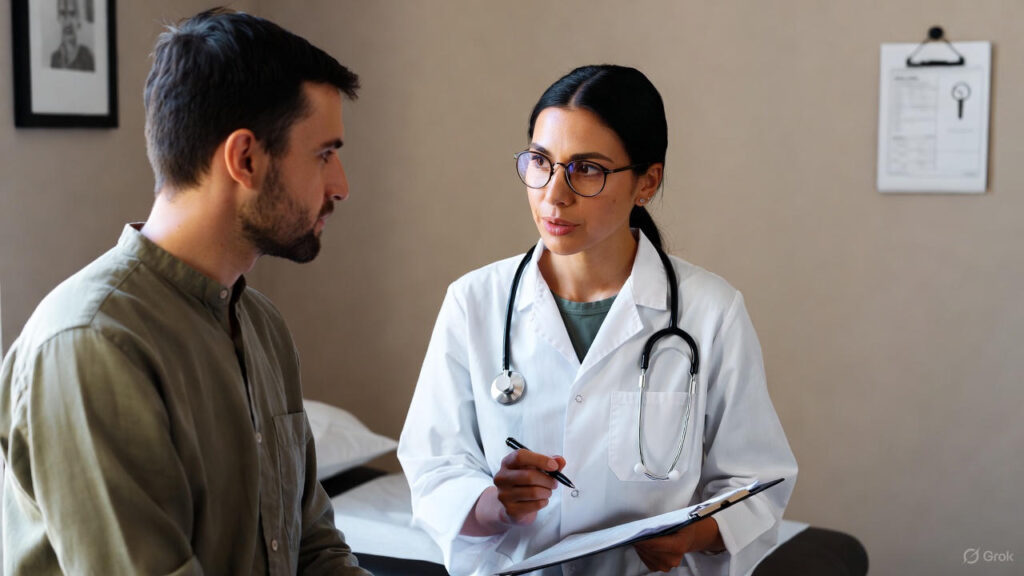
Clinicians rely on evidence and guidance when considering psilocybin research. Patients should seek care only through approved trials or licensed programs. Good practice includes careful screening, informed consent, and trained therapists. Open conversations about history and risk help clinical teams decide eligibility. If programs are available locally, clinicians may refer patients to vetted services. At the same time, patients should avoid unregulated use. Unsupervised use lacks safety checks and clinical follow-up. Following clinical guidance protects both the person and the integrity of research.
My view and real examples from research
I have read many trial reports and watched clinical teams at work. One clear pattern stands out: support matters. In trials where therapists prepared and supported patients, outcomes were clearer and safer. I saw reports of people gaining new perspective after guided sessions. I also read careful accounts where screening prevented harm. These reports suggest that psilocybin’s promise rises with good clinical care. That is why research centers and universities lead the work. Staying cautious and evidence-focused is the best way forward.
Future directions — what researchers are planning
Researchers plan larger trials and longer follow-ups. They also test different dosing strategies and therapy models. Some studies explore non-hallucinogenic compounds with similar benefits. Companies seek regulatory approval for specific formulations. Policy makers focus on training therapists and building safe clinics. Scientists aim to map which patients benefit most and why. As more data emerges, guidelines will sharpen. This steady path from early trials to broad treatment depends on careful science and clear safety systems.
Practical advice: questions to ask about programs
If you explore a program, ask these simple questions. Who runs the program and where are they based? Are clinicians licensed and trained in psychedelic therapy? What screening and follow-up care do they offer? Is the treatment part of a registered clinical trial? What are the exact costs and what is included? Clear answers help you judge safety and value. Reputable programs will welcome these questions and provide transparent information. Always avoid shortcuts that promise quick cures without clinical oversight.
Conclusion — Caution
Psilocybin is an active area of science and policy. Research suggests real promise for some mental health problems. But we need more large, careful trials to confirm benefits and define best practices. Legal changes in 2025 show growing interest in regulated access for therapy. Still, federal laws and safety concerns mean change will be gradual. If you are curious, follow reputable sources and clinical trial registers. Talk with licensed clinicians if you consider treatment options. Science and care together will show whether psilocybin can become a safe, effective tool in medicine.
Frequently Asked Questions (FAQs)
1 — What is psilocybin and how is it different from other psychedelics?
Psilocybin is a naturally occurring compound in certain mushrooms. It turns into psilocin in the body. Psilocin acts on serotonin receptors in the brain. This action differs in dose and receptor profile from other psychedelics like LSD or MDMA. Scientists study psilocybin because it may help reshape thought patterns when paired with therapy. Unlike casual descriptions you see online, clinical research uses strict screening and support to reduce risks. For safety, avoid unregulated use and look to clinical trials or licensed programs if available.
2 — What are the main therapeutic uses being researched for psilocybin?
Researchers study psilocybin for conditions like treatment-resistant depression, PTSD, anxiety linked to serious illness, and addiction. Trials measure mood, function, and long-term outcomes after supervised sessions. Some studies show meaningful improvement for certain patients. But large multi-site trials are still needed to confirm who benefits most. The therapy model pairs dosing with careful psychotherapy. This combination is central in current research. Clinics and universities leading trials provide oversight, and regulators watch for robust evidence before wider medical approval.
3 — Is psilocybin legal where I live in 2025?
Legal status varies by country and by state or city in many nations. Some places have decriminalized or set up regulated therapeutic programs. For example, Oregon and Colorado have state-level programs for supervised therapeutic use. But psilocybin is still illegal at the federal level in many countries. Policy is changing quickly in some regions. Check official state or national resources for current rules where you live. Local legal trackers from reputable law groups can help you follow updates.
4 — What does research say about side effects and safety?
Clinical trials show that most physical effects are mild, like nausea or dizziness. Emotional or psychological discomfort can occur during sessions. Rarely, people may have prolonged mood or psychotic symptoms, especially if they have a history of psychosis. That is why researchers exclude certain people and use screening. Safety improves when sessions are supervised by trained clinicians and include therapy before and after dosing. Ongoing trials continue to monitor long-term safety and rare events to better define risk profiles.
5 — Should I try microdosing to boost mood or creativity?
Current science on microdosing is mixed. Controlled trials show small or unclear benefits so far. Some users report positive changes, but anecdote differs from rigorous evidence. Researchers are doing placebo-controlled studies to test real effects. If you consider microdosing, talk with a medical professional and use only legal, supervised settings. At present, microdosing is still experimental and not a proven therapy. Waiting for stronger evidence is the safest approach.
6 — How can I find reputable psilocybin clinical trials or programs?
Look for trials registered on official registries and run by universities or major hospitals. Reputable programs list licensed clinicians, ethical oversight, and clear inclusion criteria. Contact research centers directly to ask about enrollment and safety measures. Do not rely on unverified advertisements. If a program asks for large sums without documented oversight, be cautious. Trusted sources include university research pages and national trial registries. Joining regulated research helps both safety and scientific knowledge.
| Read More Informative Blogs Like This. Tap Here 👉 Dive into Geekzilla T3 |
About the Author


