
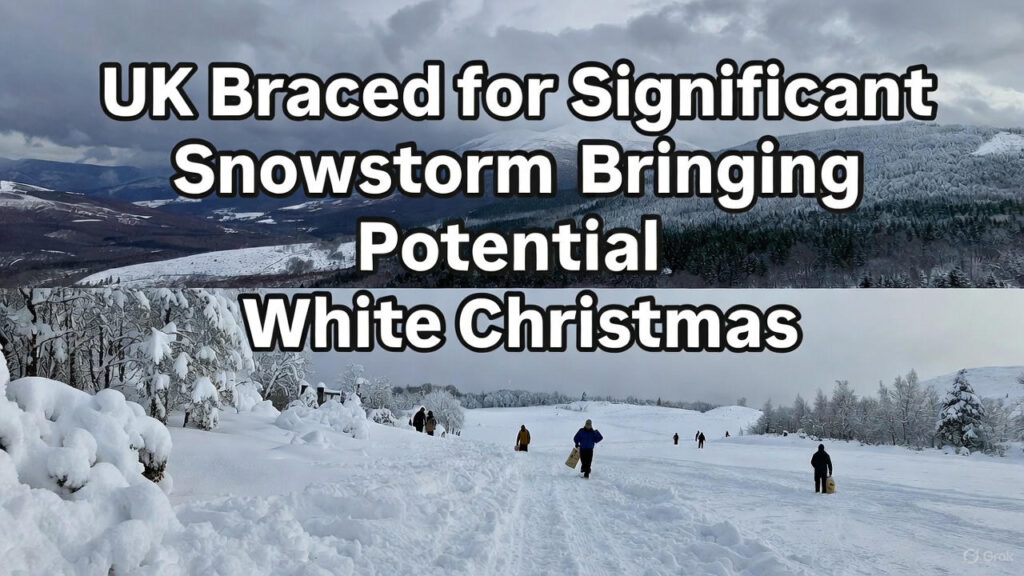
uk braced for significant snowstorm bringing potential white christmas
Introduction
The UK is on alert as weather services warn of a big cold blast. People are talking about whether this could mean a white Christmas. Local councils, drivers, and families are planning for colder weather and possible snow. I will explain clearly what to expect. I’ll use easy words and short sentences. I’ll also share tips to stay safe and warm. Read on for practical advice. This article looks at why the UK braced for significant snowstorm bringing potential white Christmas, what that might mean, and how you can get ready. I’ll include trusted sources and simple steps you can take now to prepare for wintry weather.
What “white Christmas” really means
A white Christmas has a simple official rule in the UK. The Met Office says one snowflake must fall somewhere on 25 December. That single flake makes the day a white Christmas. It does not mean deep snow or closed roads. Many people expect thick snow, but the rule is narrow. Weather scientists watch many places to confirm this. So when the UK braced for significant snowstorm bringing potential white Christmas, it can mean different things in different places. Local conditions matter. Mountains are more likely to see settled snow than low towns. This definition helps explain why odds of a white Christmas can feel confusing.
Why forecasters are cautious now
Weather models change a lot at long range. Forecasts are best a few days before the date. That is why forecasters say it’s too early to be certain. They use satellite data, computer models, and observations. Even small shifts in wind or pressure change where the snow falls. The Met Office and other services warn that long-range views are uncertain. Headlines may say a big storm is coming. But experts often wait until the final few days to be confident. Still, early signals can help people plan. When the UK braced for significant snowstorm bringing potential white Christmas, forecasters stressed caution and kept updating guidance.
What the current maps are showing
Early charts show a mix of cold air and milder patches. Models suggest some regions could see flurries. Scotland and the high north have the strongest chance of snow. Lowland areas might see sleet, rain, or nothing at all. Storm tracks also matter. If a cold surge meets wet air from the sea, snow can fall widely. But if warmer air pushes in, snow will turn to rain. That is why the UK braced for significant snowstorm bringing potential white Christmas is a phrase you may read a lot. Keep checking official maps. They update often and give the clearest view close to the date.
Which areas are at highest risk
High ground and northern regions lead the list. Scotland’s hills, northern England’s Pennines, and some Welsh uplands see more snow. Cities in the south are less likely to have settled snow. Still, cold snaps can bring brief snow even to low towns. Transport hubs and rural roads are most at risk from snow and ice. If you live in a valley, drifting snow might block minor roads. That’s why local councils may grit key routes first. When the UK braced for significant snowstorm bringing potential white Christmas, many councils moved to check gritters and shelters. Plan travel carefully if you live in higher-risk areas.
How to prepare your home
Start with small, useful steps. Check heating and stock up on fuel. Keep spare blankets and warm clothing handy. Put a torch and batteries in a known spot. Buy basic food supplies that do not need cooking. Make sure your phone and power bank are charged. Protect pipes from freezing by insulating them. If you have pets, ensure extra bedding and food. Simple prep helps if roads are blocked or stores close. When the UK braced for significant snowstorm bringing potential white Christmas, many households followed these basic steps and stayed safe during short outages.
Travel and safety tips
Snow brings poor visibility and slippery roads. Reduce speed and leave more space between cars. Use winter tyres if you can. If you must travel, tell someone your route and arrival time. Carry warm clothes, water, and a mobile charger in the car. Public transport may run on altered timetables. Check before you travel. Schools might close in heavy snow or for safety. When the UK braced for significant snowstorm bringing potential white Christmas, many people chose to work from home or delay non-essential trips. Stay flexible and plan ahead.
| Read More Informative Blogs Like These: ScoopUpdates .com |
What to do at work or school
Employers and schools plan for safety first. They may allow remote work or close for a day. Keep a list of emergency contacts. Know your workplace’s policy on bad weather. If you are a parent, check local school updates early. Some schools post closures on social media or their websites. If you are at risk of isolation, ask family or neighbors for help before the worst hits. When the UK braced for significant snowstorm bringing potential white Christmas, community groups often checked on elderly or vulnerable people to ensure they had supplies.
Health advice for cold snaps
Cold weather raises health risks for older people and those with heart or lung conditions. Dress in layers and keep your home warm. Eat nutritious meals and stay hydrated. Avoid heavy outdoor work in extreme cold. If you take medicines, ensure you have enough supply. If you rely on electricity for medical devices, make a backup plan. Mental health can also suffer in long cold spells. Stay connected to friends and family, and ask for help if you feel low. Simple steps help protect your health when the UK braced for significant snowstorm bringing potential white Christmas.
How climate and long-term trends Snowfall
Climate change shifts where and how often wintry weather will occur. The Met Office and researchers note that overall warming has reduced the odds of widespread settled snow on Christmas. Yet natural patterns like sudden stratospheric warming or easterly winds can still bring cold spells. That means a white Christmas is less common in some parts, but not impossible. Forecasters use long-term data and current models to balance climate trends with short-term weather signals. Understanding both helps explain why the UK braced for significant snowstorm bringing potential white Christmas can sometimes be true and sometimes not.
Practical community actions
Local groups can help reduce the impact of snow. Volunteer to check on neighbors. Clear paths safely and share grit where allowed. Keep a list of local shelters and warming centers. Share reliable warnings from official sources, not rumors. Community action matters most in rural areas and older neighborhoods. When the UK braced for significant snowstorm bringing potential white Christmas, community networks often made the biggest difference to people’s safety and comfort. Small acts, like helping with shopping or shoveling a path, add up.
FAQs
Q1: Is the UK guaranteed a white Christmas this year?
A1: No, it is not guaranteed. The Met Office says forecasts are reliable only a few days ahead. The chance depends on where cold air and wet air meet. Scotland and higher ground have the best odds. Lowland areas and the south have a lower chance. A single snowflake anywhere on 25 December can make it official. Still, widespread snow on Christmas is uncommon. Forecasters will give a clearer answer about five days before Christmas. That is when models settle and officials can be more confident.
Q2: How can I check the latest warnings?
A2: Use official sources. Check the Met Office website and local council pages. Broadcasters like the BBC also share official forecasts. Social media can help, but verify posts first. Apps from trusted weather services give push alerts for warnings. Sign up for local authority alerts if you can. When the UK braced for significant snowstorm bringing potential white Christmas, people relied on Met Office warnings and local council updates to plan travel and safety. Keep your phone notifications on for urgent local warnings.
Q3: Should I plan travel on or near Christmas?
A3: Plan for change. If travel is essential, book flexible tickets. Check transport operator updates the day before and the day of travel. Roads may be icy or closed. Allow extra time and pack warm gear and food. Consider alternatives like staying an extra night nearby if conditions worsen. When the UK braced for significant snowstorm bringing potential white Christmas, many travelers delayed non-essential trips and stayed safe at home. Flexibility is key with winter storms.
Q4: Will supermarkets run out of food?
A4: Most stores keep running, but extreme weather can slow deliveries. Buy essentials early, but avoid panic buying. A few days’ supply of food and medicine is sensible. Ready meals, canned goods, and staples are good choices. Local shops often stay open if main roads are passable. Community sharing helps if supply chains get slow. When the UK braced for significant snowstorm bringing potential white Christmas, planned stocking and neighborly help meant few people faced real shortages.
Q5: Can I still have outdoor Christmas plans?
A5: Yes, but be ready to adapt. Have warm layers and shelter options. If heavy snow or strong winds are forecast, move events indoors. Check weather updates on the day. Frost and ice make paths slippery, so clear them and use grit. If driving, remember road conditions can change fast. When the UK braced for significant snowstorm bringing potential white Christmas, many families kept plans but moved activities inside or postponed meet-ups to stay safe.
Q6: How likely is heavy snow versus light flurries?
A6: Heavy snow is less likely in lowland and southern areas. Northern coasts and mountains see heavier falls more often. A light flurry may fall across more places. The exact outcome depends on the storm track and air mass temperatures. Forecasters look for cold air depth and moisture when predicting heavy snow. When the UK braced for significant snowstorm bringing potential white Christmas, models showed regions of higher risk, but the final picture can shift quickly as the storm evolves.
Conclusion
The idea that the UK braced for significant snowstorm bringing potential white Christmas captures our attention. It is wise to prepare, but also to stay calm. Use official forecasts and local advice. Pack simple supplies and check on neighbors. Be flexible with travel and gatherings. Remember the Met Office will give clearer guidance close to Christmas. Share trusted updates with friends and family. If you found this useful, please share it or ask me for a short checklist you can save or print. I can also make a printable shopping and safety list to help you prepare. Stay warm and safe this winter.
About the Author


